Inverter Signaling a Fault? 5 Most Common Drive Failure Causes and How to Diagnose Them Fast on the Shop Floor
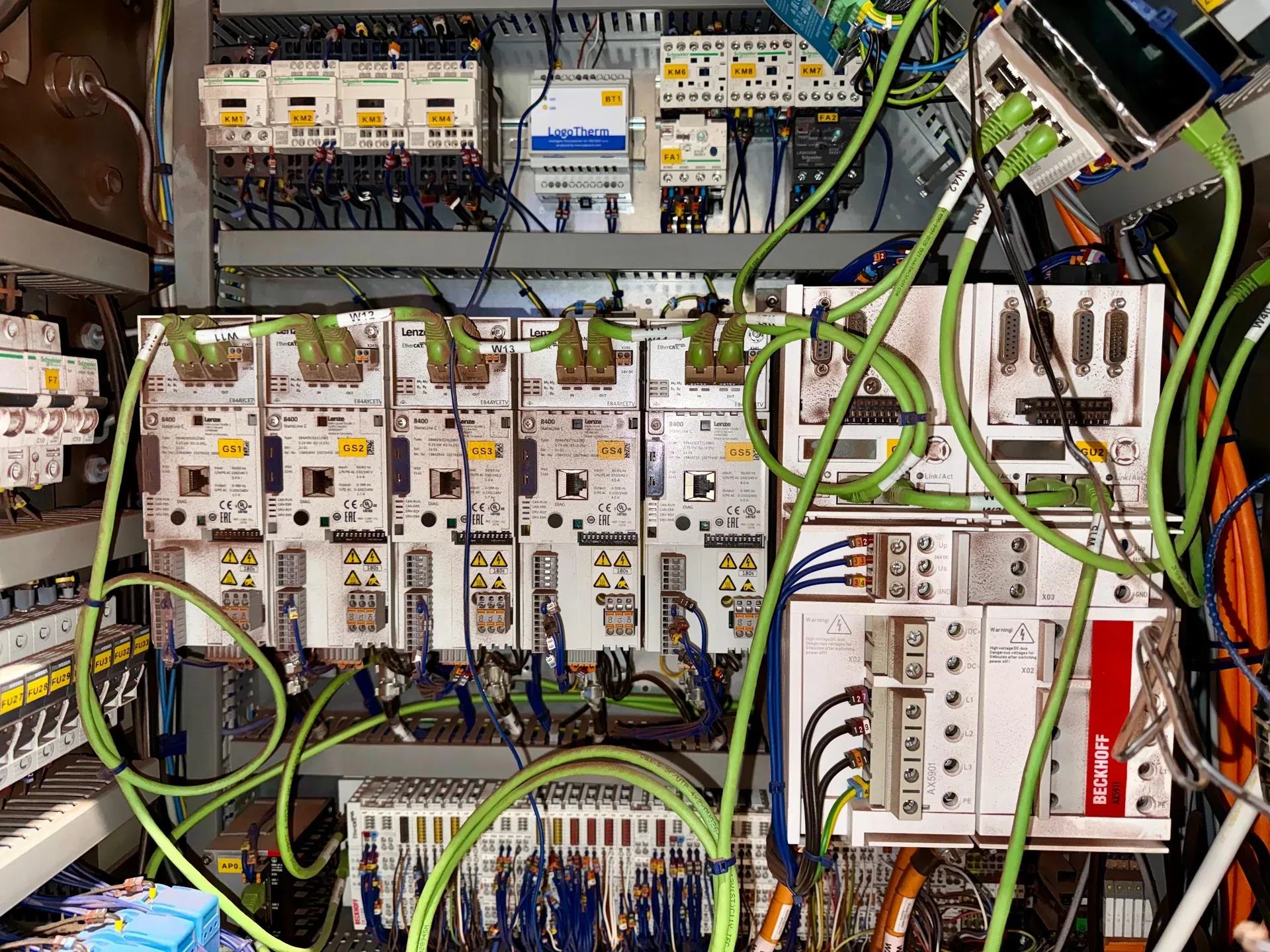
Is your machine's inverter signaling a fault and interrupting production? Discover the 5 most common failure causes and learn how to resolve them quickly to avoid costly downtime. In this article, we cover the most effective inverter diagnostic and repair methods.
Inverter Signaling a Fault? 5 Most Common Drive Failure Causes and How to Diagnose Them Fast on the Shop Floor
Inverters (VFDs) are the heart of modern machinery, and their failure means costly downtime. A fault shown on the display — such as Overcurrent, Overvoltage, or Overtemperature — is only a symptom; our goal is to find the root cause. In this article, we cover the 5 most common drive failure causes and show how to diagnose them quickly on the shop floor.
What Is a Root Cause of Failure?
A root cause typically falls into one of five categories: power supply issues, motor or cable issues, environmental conditions, incorrect parameter configuration, or internal component failure. We'll go through each of these causes below, along with how to diagnose them.
Cause 1: Overcurrent
Overcurrent is the most common inverter fault in the field. It means the inverter's output current has exceeded the allowable threshold. Possible causes include:
- Mechanical blockage of the machine
- Seized bearings
- Overly aggressive acceleration ramps
- Incorrect motor parameters
Quick shop-floor diagnostics:
- Disconnect the motor cables from the inverter output and perform an insulation test with a megohmmeter
- Check that the motor shaft turns freely
- Verify the motor parameters
Cause 2: Overtemperature
Overtemperature means the inverter's internal temperature has exceeded the allowable threshold. Possible causes include:
- Clogged filters in the control cabinet
- Damaged inverter fan
- Excessive ambient temperature
Quick shop-floor diagnostics:
- Check that the inverter fan is working correctly
- Clean the filters in the control cabinet
- Measure the ambient temperature
Cause 3: Power Supply and DC Bus Issues
Power supply and DC bus issues can cause inverter faults. Possible causes include:
- Voltage fluctuations in the supply network
- Phase imbalance
- Damaged brake resistor
Quick shop-floor diagnostics:
- Measure the supply voltage
- Check that the braking time is appropriate
Cause 4: EMC Interference and Wiring Issues
EMC interference and wiring issues can cause inverter faults. Possible causes include:
- Lack of proper shielding
- Loose power connections
- Missing grounding
- Degraded motor cable insulation
Quick shop-floor diagnostics:
- Check the power connections
- Verify cable shielding
Cause 5: Motor-Side Failures
Motor-side failures can cause inverter faults. Possible causes include:
- Phase-to-phase short circuit
- Motor insulation damage
Quick shop-floor diagnostics:
- Disconnect the motor cables from the inverter output and perform an insulation test with a megohmmeter
- Check whether the motor is damaged
Golden Rules of Quick Diagnostics
- Talk to the operator: ask what the machine was doing when the fault occurred
- Read the fault code: check current faults and their history
- Log parameters: record the operating parameters
- Visual inspection: perform a visual check and a "sniff test" inside the control cabinet
Summary
Inverter failures can be costly and disruptive. That's why it's important to find the root cause and perform quick diagnostics. In this article, we covered the 5 most common drive failure causes and how to diagnose them. Remember that prevention is key to avoiding failures. Regular cleaning, connection checks, and thermal imaging can help catch potential problems before they occur.
FAQ
How often should preventive inspections be carried out?
Preventive inspections should be carried out regularly, depending on environmental conditions and the degree of wear.
What is the most common cause of inverter failure?
The most common cause of inverter failure is overcurrent.
How do you diagnose motor-side failures?
Motor-side failures can be diagnosed by disconnecting the motor cables from the inverter output and performing an insulation test with a megohmmeter.
What are the golden rules of quick diagnostics?
The golden rules of quick diagnostics are: talking to the operator, reading the fault code and fault history, logging operating parameters, and performing a visual inspection and "sniff test" in the control cabinet.
What are the benefits of preventive maintenance?
The benefits of preventive maintenance are: avoiding failures, extending equipment lifespan, and reducing repair costs.
Quick Diagnostics Matrix
| Machine Symptom | Fault Code | First Action |
|---|---|---|
| Overcurrent: Drive trips on rapid start | OC | Turn the shaft by hand/crank |
| Overvoltage: Fault trips during braking | OV | Measure DC bus voltage |
| Overtemperature: Shuts down after 15 min of operation | OT | Thermal imaging test |
Comparison of Example Fault Codes
| Manufacturer | Fault Code |
|---|---|
| Siemens | Axxxxx |
| Danfoss | Fxxx |
| Allen-Bradley | Fxxx |
Diagnostic Tools
| Tool | Application | When to Use | Safety Notes |
|---|---|---|---|
| True-RMS Multimeter | Voltage and current measurement | Quick fault diagnostics | Power disconnection required |
| Megohmmeter | Insulation measurement | Preventive inspection | Requires qualified electrical certification |
Preventive Inspection Schedule
| Area/Component | Inspection Frequency | Required Action | Benefit to the Plant |
|---|---|---|---|
| Cooling system and filters | Monthly | Blow out/replace filter mats | Avoid costly downtime |
| Screw connections and current path | Every 6 months | Tighten with a torque wrench | Extend electronics lifespan |